




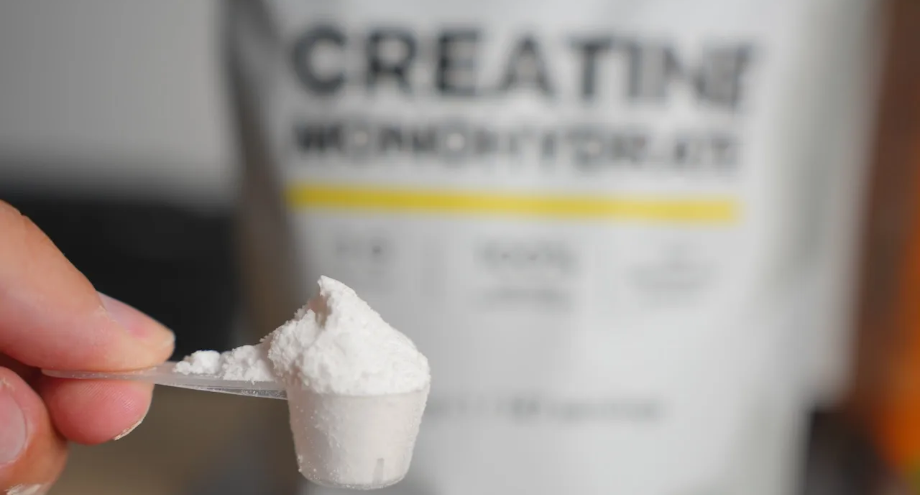
As healthy aging continues to gain attention across the nutrition industry, new clinical findings suggest that a combination of creatine monohydrate and HMB may offer meaningful support for older adults seeking to maintain strength and improve body composition. In a recent randomized, double-blind, placebo-controlled crossover trial, researchers evaluated the effects of daily supplementation with creatine and HMB in physically active adults aged 60 and older.
The study included 30 participants, consisting of both men and women, and was designed around two six-week intervention periods separated by a three-week washout phase. During the active phase, participants consumed 3 grams of creatine monohydrate together with 3 grams of HMB each day. All subjects also took part in supervised physical conditioning sessions four times per week, combining circuit-style exercise and high-intensity interval training.
According to the reported findings, the supplementation protocol was associated with reductions in fat mass and body fat percentage, along with modest improvements in functional strength measures. Researchers noted that these performance gains appeared to be largely independent of changes in muscle mass, suggesting that neuromuscular adaptations may have contributed to the outcome.
This is especially relevant in the context of aging, where preserving functional capacity is often just as important as increasing lean mass. Maintaining grip strength, lower-body force production, and general physical resilience can help support mobility, independence, and overall quality of life in older populations. The study’s authors highlighted the combined use of targeted supplementation and structured exercise as a practical strategy for healthy aging support.
Creatine has already been widely recognized in sports and active nutrition for its role in supporting strength and performance, particularly when paired with resistance training. HMB, a metabolite of the amino acid leucine, has also been studied for its ability to help support muscle preservation, although previous findings have generally shown more modest effects when used alone. The newer clinical data are notable because research on the creatine-plus-HMB combination in older adults has been relatively limited.
The broader implication is that healthy aging solutions may increasingly focus on preserving function rather than simply addressing appearance or body weight. For older consumers, interventions that help support strength, body composition, and everyday movement may become central to long-term wellness strategies. These findings also reinforce the importance of pairing nutritional support with regular training rather than viewing supplementation as a standalone solution. This practical interpretation is consistent with the study design, where all participants completed supervised exercise throughout the trial.
At the same time, the evidence should be interpreted with appropriate caution. The study was relatively small, and the authors themselves noted that the trial was not large enough to fully assess sex-specific responses. They also suggested that future research should include more direct neuromuscular measurements to better explain the mechanisms behind the strength improvements.
Even with those limitations, the results add to a growing body of interest in nutritional strategies aimed at supporting muscle health in older adults. As the healthy aging category expands, ingredients associated with strength, mobility, and physical function are likely to remain an important area of product innovation and consumer interest. This study offers early but encouraging evidence that combining creatine and HMB with consistent exercise may be one promising approach.